


















On the eve of the recognition of Palestine in two member states, the European Union is trying to play an effective role in the negotiations after the end of the Gaza war by welcoming the officials of the Arab countries in Brussels

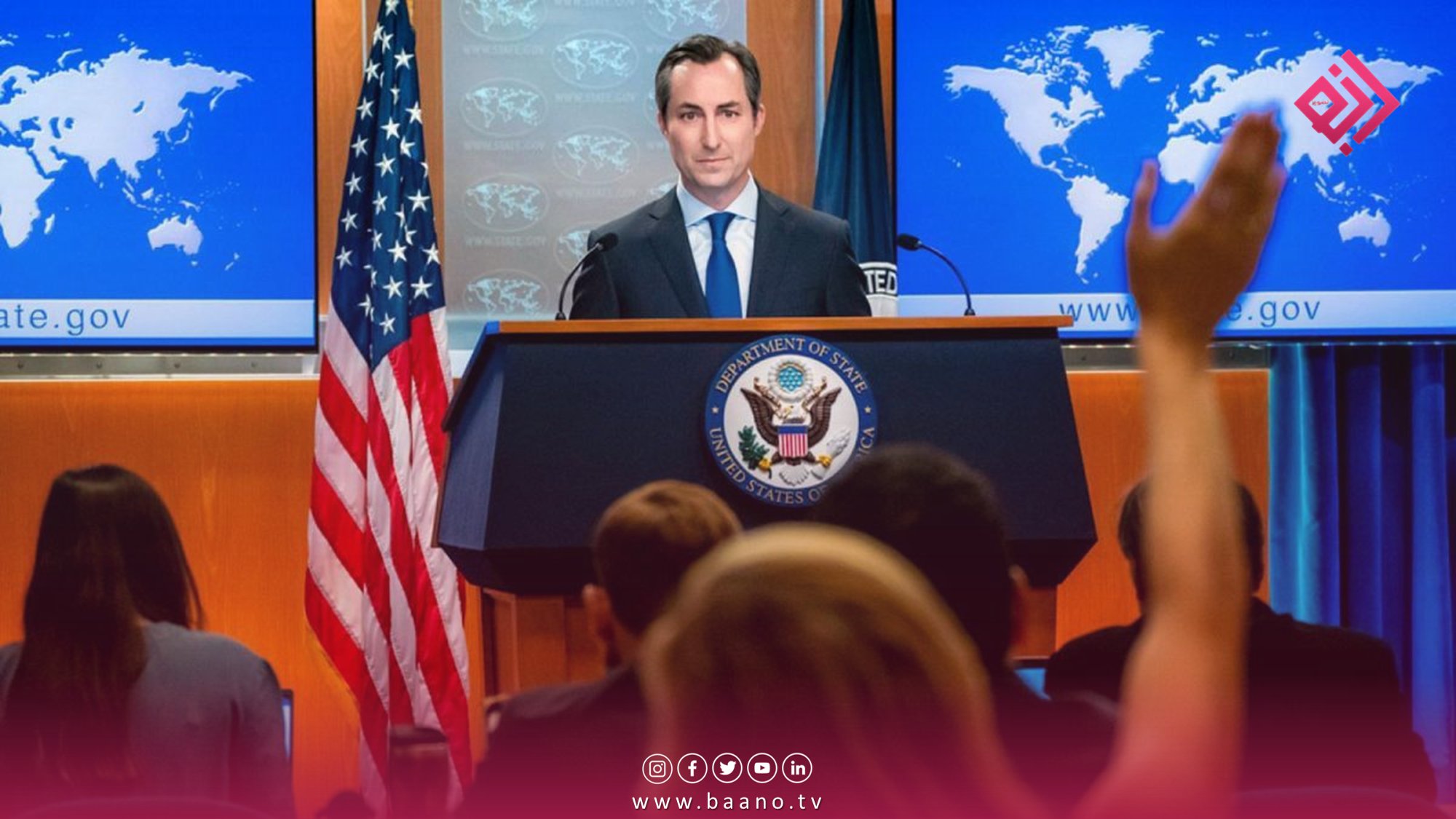
After failing to take a strong stand in the current Israeli-Hamas war, the European Union hopes to play a role in finding a permanent solution between Israel and the Palestinians. In this regard, the European Union has held several meetings with the Arab countries of the region. The European Union foreign ministers will meet with their counterparts from the Kingdom of Saudi Arabia, Qatar, Egypt, the United Arab Emirates, Jordan and the Secretary General of the Arab League on Monday, June 7.The European Union, as part of the international community, supports a two-state solution to ensure lasting peace in the region, which has been plagued by more than seventy years of conflict. Josep Borrell, the head of the European Union’s foreign policy, said that only a “strong” Palestinian Authority is capable of guaranteeing peace.
The visit of the Prime Minister of the Palestinian Authority to Brussels will take place on the occasion of holding a meeting to help the Palestinians. However, overcoming the internal differences of the European Union, such as Germany, which does not want to damage its relations with Israel, and other countries, such as Spain and Ireland, which recognize the Palestinian state, remains a challenge for the European Union.
Spain and Ireland, along with Norway, announced last week that they will recognize the state of Palestine on May 28. Spanish Foreign Minister Jose Manuel Albarez emphasized: “The recognition of the Palestinian state is justice for the Palestinian people and the best guarantee of security for Israel.” Other European countries oppose this issue or consider the recognition of Palestine premature.
These gaps prevented the adoption of the joint statement of the 27 EU countries and led to agreements with limited impact. No agreement was reached at European summits in December and February, and statements were issued with the participation of 26 countries, except for Hungary, which abstained.
In anticipating the peace that may be established in the future, the European Union seeks to develop a strategy based on some basic principles, including not accepting the return of Hamas to the Gaza Strip. The European Union has classified Hamas as a “terrorist organization”. The Hamas movement has been in control of this strip since 2007. The European Union considers it necessary to strengthen the Palestinian National Authority, although this organization is not very popular among the Palestinians.